Most city building games don’t fail because of poor graphics or clunky controls—they fail because they don’t make you feel like a leader. The best ones do: they place you at the crossroads of ambition and chaos, where a single zoning decision can spiral into prosperity or riot. These aren’t just sandbox toys. They’re complex systems that demand long-term planning, adaptive decision-making, and emotional investment.
True strategy city building games force trade-offs. You can’t have low taxes, full coffers, and a happy populace without sacrifice. You’ll face droughts, rebellions, and traffic jams that mirror real urban challenges. This isn’t about placing buildings in a pretty pattern—it’s about managing interconnected systems under pressure.
Below are the titles that define the genre, push its boundaries, and offer deep, rewarding experiences for players who want more than just cosmetic upgrades.
What Makes a City Builder a Strategy Game?
Not all city simulators are strategic. Many let you build freely with minimal consequences. Real strategy city builders introduce scarcity, competing priorities, and cascading consequences.
Key traits include: - Resource scarcity: Limited water, power, or raw materials force prioritization. - Event-driven challenges: Natural disasters, political shifts, or economic crashes disrupt plans. - Long-term progression: Victory isn’t instant—it’s measured in decades of simulated time. - Balanced feedback loops: Happiness affects productivity, infrastructure affects growth, and crime affects investment.
For example, in Cities: Skylines, a poorly designed highway interchange doesn’t just look bad—it chokes emergency services, increases pollution, and erodes public approval. That’s strategy: small inputs, systemic outputs.
Cities: Skylines – The Modern Benchmark
Launched as a response to the underwhelming SimCity (2013), Cities: Skylines became the gold standard for modern city builders. Its mod support, deep traffic AI, and expansive map design give players unmatched control.
Why it works as a strategy game: - Traffic simulation acts as a core mechanic, not just background detail. - Districts allow granular control over policies and specializations. - Water and sewage systems must be engineered—flooding is a real risk.
A common rookie mistake? Placing industrial zones upwind of residential areas. The resulting pollution can tank land value and trigger mass emigration. Veteran players use terrain and wind patterns to isolate polluters—just like real urban planners.
The game’s DLCs, like Industries and Campus, add layers of economic and educational depth, turning districts into mini-economies with supply chains.
Surviving the Apocalypse: Frostpunk
Frostpunk redefines the genre by placing city building in a survival context. Set in a frozen post-apocalyptic world, it’s not just about growth—it’s about ethical triage.
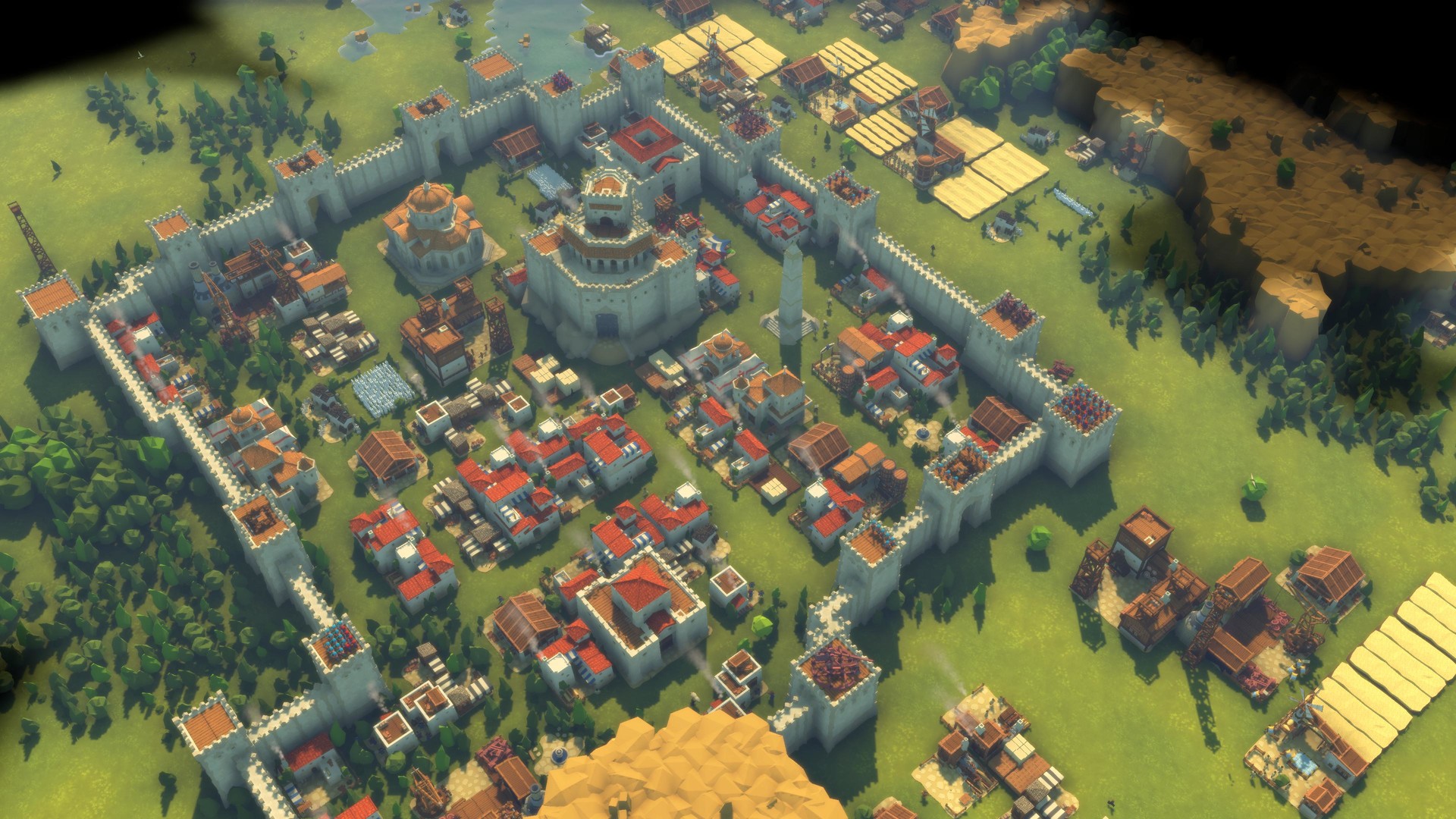
You manage heat, faith, and hope as resources. Expanding the generator’s radius lets you grow, but overextending risks freezing workers to death. Enact child labor laws to survive a cold snap? That’s a real choice—one that weighs survival against morality.
Strategic depth in Frostpunk: - Laws function like tech-tree upgrades, with long-term societal costs. - Scouting parties bring back materials—or horrifying truths. - The city’s ideology (Order vs. Faith) shapes how citizens react to crises.
Unlike traditional city builders, Frostpunk ends. Every playthrough concludes with a report card: how many died, how many you saved, and what kind of leader you became. That emotional weight separates it from more mechanical sims.
Rise and Fall: Civilizations at War and Peace
Surviving Mars and Anno 1800 take city building into historical and speculative territory, layering empire management atop urban design.
Anno 1800 excels in supply chain complexity. You don’t just build houses—you manage farms, textile mills, and trade routes across multiple islands. A single consumer goods shortage can collapse an entire social class.
Surviving Mars introduces terraforming and AI-driven crises. Dust storms disable power, domes leak, and colonists suffer mental breakdowns from isolation. The game simulates psychology, not just population.
Both force logistical foresight. In Anno 1800, building a luxury goods factory without securing cotton first leads to idle workers and stagnation. In Surviving Mars, neglecting water extraction before expanding leads to dehydration crises.
These aren’t just city games. They’re industrial chess matches.
Off the Radar: Hidden Gems in the Genre
While mainstream titles dominate, several underrated games offer unique strategic angles.
| Game | Key Feature | Best For |
|---|---|---|
| Tropico 6 | Political satire + nation-building | Players who enjoy diplomacy and dark humor |
| Banished | No combat, pure survival economics | Minimalist strategists |
| Theocracy | Blend city building with religious control | Niche empire managers |
| Lethis – Path of Progress | Steampunk aesthetic, worker morale focus | Story-driven planners |
| Autonauts | Automation-focused building with programming-lite mechanics | Puzzle-minded builders |
Tropico 6, for instance, lets you play as a corrupt dictator balancing foreign powers, rebellions, and tourism. It’s Cities: Skylines meets Crusader Kings—a political sandbox where public approval is manipulated, not earned.
Designing for Disaster: Mechanics That Matter
The best strategy games don’t just simulate growth—they simulate failure. Here’s what separates deep experiences from shallow ones:
Traffic & Flow In Cities: Skylines, traffic isn’t cosmetic. Emergency vehicles stuck in gridlock can cause hospitals to fail, triggering deaths and protests. Solution? Use one-way roads, roundabouts, and public transit hierarchies.
Resource Chains Anno 1800 requires players to map supply lines: wheat → flour → bread → feeding workers → enabling construction. Break one link, and the economy stalls.
Citizen Behavior Frostpunk tracks hope and discontent. Surviving Mars tracks sanity. Ignoring these leads to strikes, sabotage, or exodus.
Pro Tip: In most games, overbuilding early is a trap. It drains funds and creates maintenance debt. Scale gradually, aligning construction with population milestones.
Why Some City Builders Fail Strategically
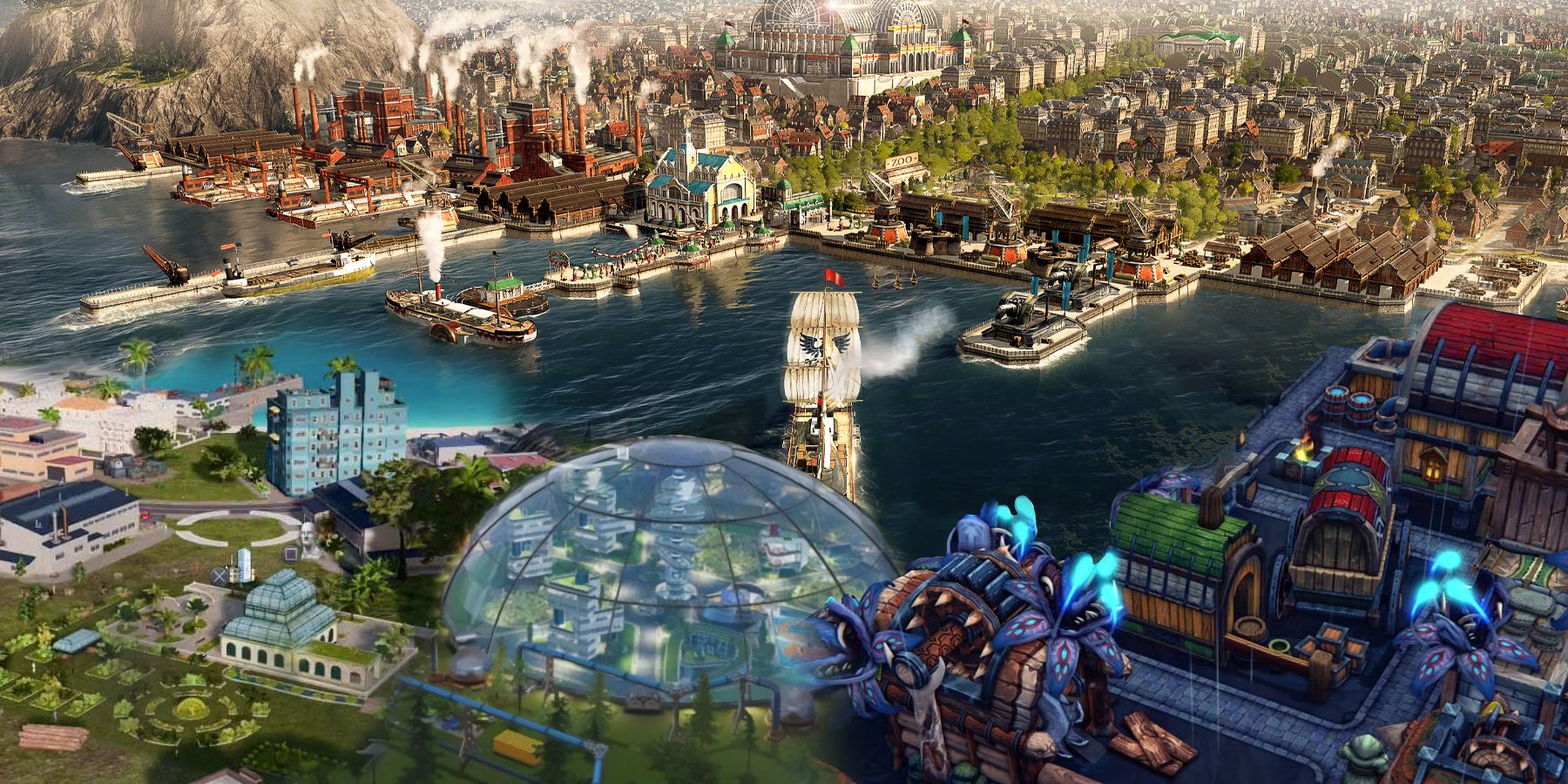
Many games miss the mark by removing consequences. If you can zone unlimited high-density housing without traffic, pollution, or cost, it’s not strategy—it’s decoration.
Others suffer from: - Poor AI pathfinding (e.g., citizens ignoring public transit) - Unbalanced economies (infinite money exploits) - Lack of mid-to-late game goals (no victory conditions)
The best games keep tension high. Frostpunk’s temperature never stops dropping. Surviving Mars’s oxygen levels are always precarious. That pressure forces smart decisions.
The Future of Strategy City Building
New titles are blending genres. Citystate introduces real-time elections. Project Humanity mixes city management with rogue-lite progression. AI is being used to simulate more realistic citizen behavior and dynamic events.
Modding remains critical. Cities: Skylines’ community created traffic analysis tools, realistic population mods, and even disaster simulators. That ecosystem extends replayability far beyond the base game.
Mobile is also catching up. Pocket Build offers creative freedom, but lacks deep strategy. True mobile strategy builders remain rare—most simplify to the point of being puzzles.
Final Verdict: Choose Based on Your Challenge
Not all strategy city builders suit every player.
- For realism and control: Cities: Skylines
- For moral dilemmas and survival: Frostpunk
- For supply chain depth: Anno 1800
- For sci-fi colonization: Surviving Mars
- For political satire: Tropico 6
Pick based on what kind of leader you want to be: engineer, survivor, industrialist, or dictator.
Build Smart, Not Just Big
Great city building isn’t measured in skyline height or population count. It’s measured in resilience. The best players don’t avoid crises—they plan for them. They leave buffer zones, diversify resources, and build redundancy into critical systems.
Start small. Test policies. Watch how citizens react. Learn from collapse.
Because in the end, every city is a reflection of its ruler’s choices—not just its buildings.
FAQs
What’s the hardest strategy city building game? Frostpunk is widely regarded as the hardest due to its unforgiving survival mechanics and moral trade-offs.
Can you win city building games? Most don’t have traditional “wins,” but games like Frostpunk and Surviving Mars have victory conditions (e.g., surviving 200 days or launching a rocket).
Are mods necessary for Cities: Skylines? Not necessary, but highly recommended. Mods like Traffic Manager and Realistic Population fix core limitations and deepen strategy.
Is SimCity still worth playing? The 2013 version is outdated and limited. Older titles like SimCity 4 have dedicated fans, but Cities: Skylines is the modern alternative.
Do these games teach real urban planning? Yes—especially Cities: Skylines. Players learn about zoning, transit hierarchy, and infrastructure interdependence.
Which game has the best AI? Cities: Skylines leads in pathfinding and traffic simulation. Frostpunk excels in behavioral AI (hope, discontent, survival instincts).
How much time do these games require? Sessions range from 30-minute crises to 50-hour campaigns. Anno 1800 and Surviving Mars often require long-term commitment.