A former girl group singer, discovered by the mastermind behind the Pussycat Dolls, is speaking candidly about the intense pressure to perform in underwear—and how it took a toll on her self-worth and professional identity. Her revelations shine a light on the long-standing tension between artistic expression and exploitative presentation in pop music, particularly for women.
The singer, who rose to fame in the late 2000s under a carefully crafted image, was handpicked by Robin Antin, the choreographer and creative force who built the Pussycat Dolls into a global brand. While the opportunity was a dream come true, the reality behind the glitz involved strict appearance protocols, choreography that prioritized sex appeal, and costumes that often bordered on indecent for live television and concerts.
Now, years after leaving the group, she’s breaking her silence—not with bitterness, but with clarity.
The Pussycat Dolls Blueprint: Glamour, Control, and Controversy
Robin Antin didn’t just create a music group—she created a brand built on polished sexuality. The Pussycat Dolls rose to fame through burlesque roots, transforming into a chart-topping pop act with hits like “Don’t Cha” and “Buttons.” Their success was undeniable, but so was their aesthetic: matching lingerie, fishnets, and choreography that emphasized physical allure as much as vocal ability.
This formula became a template for aspiring girl groups that followed. And many young women—eager for fame and validation—signed on without fully grasping the expectations.
"They told me it was empowering," the singer recalls. "That we were owning our sexuality. But after a while, I realized I wasn’t being seen as a musician. I was a mannequin in a push-up bra."
Her experience isn’t isolated. Over the years, multiple former members from various Antin-associated acts have spoken about body shaming, strict weight requirements, and being dressed in outfits they felt uncomfortable in. Some were required to wear specific underwear brands or styles—even when not visible—because of how it shaped their silhouette under sheer fabrics.
The Line Between Confidence and Coercion
The industry often frames revealing performance wear as feminist—a reclaiming of agency. But when that choice is enforced, choreographed, and policed, it shifts from empowerment to obligation.
The singer describes multiple instances where wardrobe fittings felt more like inspections:
- She was told her natural curves “didn’t photograph well” in certain cuts
- Required to wear shapewear that caused physical discomfort during shows
- Given outfits with sheer panels that exposed more than she was prepared for
- Discouraged from speaking up, with management implying she’d be replaced
“I wasn’t the only one who felt uneasy,” she says. “But if you complained, you were labeled difficult. And in that world, difficult girls don’t stay long.”
This dynamic reflects a deeper issue in how young female performers are molded: talent is secondary to image, and image is tightly controlled.
A Shifting Landscape: Can Pop Music Evolve?
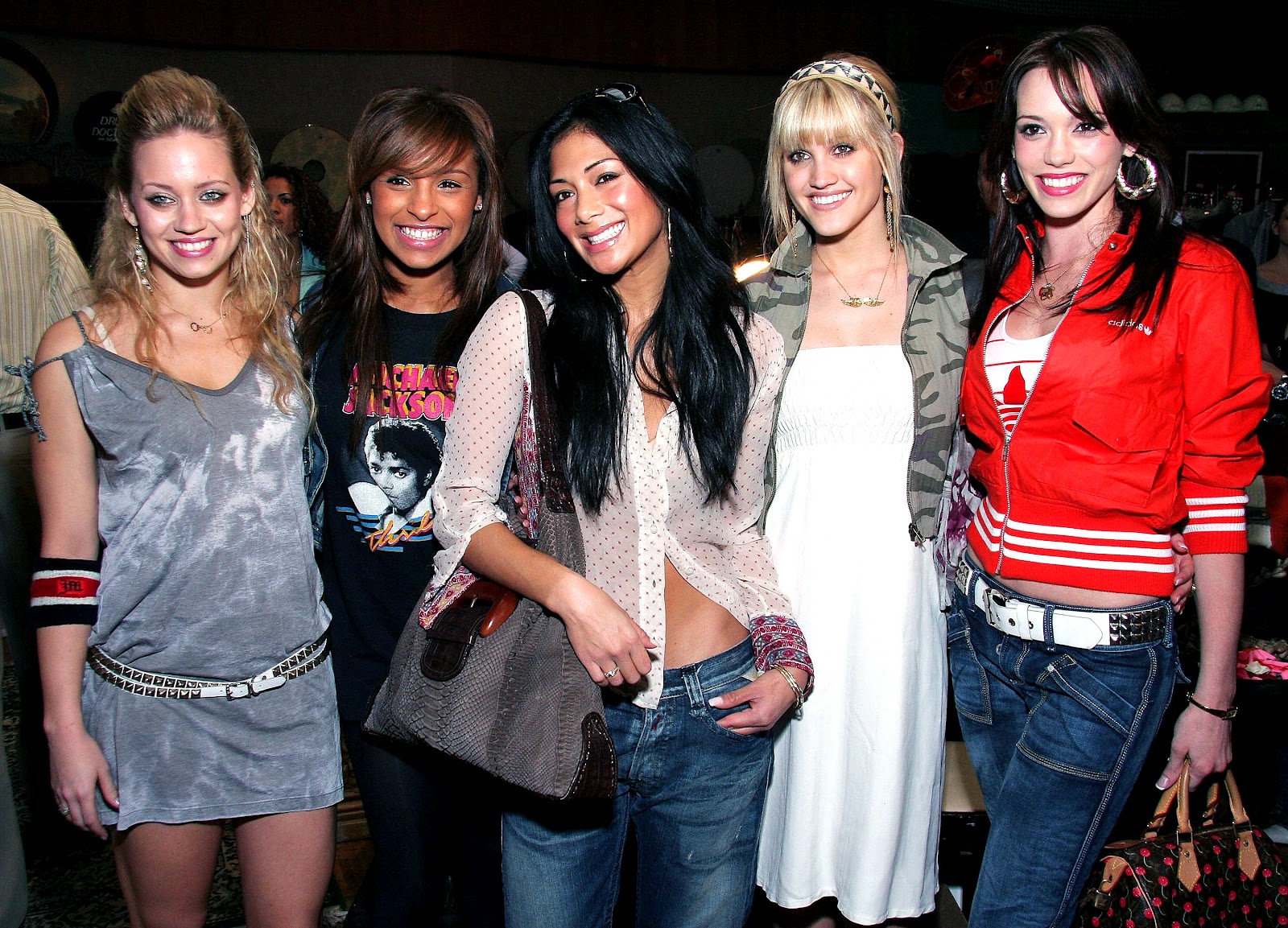
In the decade since the Pussycat Dolls’ peak, pop culture has changed. Artists like Lizzo, Doja Cat, and Olivia Rodrigo have challenged norms—some embracing sexuality on their own terms, others rejecting it entirely in favor of authenticity.
Yet, the pressure persists—especially for those starting out. Reality TV shows, talent competitions, and social media auditions still often prioritize look over lyrical depth or vocal range. And for girl groups in particular, the legacy of the Pussycat Dolls looms large.
“Labels still want that ‘marketable’ look,” says a former A&R consultant who worked with several girl groups in the 2010s. “It’s not always about what you wear, but there’s an expectation of glamour—often hypersexualized—that’s hard to escape if you want mainstream success.”
Some newer groups have pushed back. Little Mix, for instance, gained a loyal fanbase by focusing on vocal harmony and relatable lyrics, often performing in streetwear or stage armor instead of lingerie. Fifth Harmony, despite early comparisons to the Dolls, eventually evolved their image to reflect more individuality and control.
But for every group that breaks the mold, dozens are still expected to conform.
Personal Reckoning: Life
After the Spotlight For the singer in question, leaving the industry wasn’t just about creative differences—it was about reclaiming autonomy.
After years of performing in outfits that made her feel exposed—both physically and emotionally—she walked away. She now works as a vocal coach and mentor for young female artists, emphasizing self-respect and boundaries.
“I tell every girl I work with: know your worth before you sign anything,” she says. “Ask about wardrobe. Ask about choreography. Ask who gets to decide what you wear. Because if you don’t, someone else will—and it might not be what you want.”
She also warns against the seduction of quick fame. “They make you feel special, chosen. But that feeling comes with strings—tight corsets, literally and figuratively.”
Industry Accountability: Who Holds the Power?
The conversation isn’t just about one creator or one group. It’s about systems.
Robin Antin has defended her work, stating that the Pussycat Dolls were always meant to be a celebration of female confidence and performance art. In interviews, she’s described the brand as “fun, flirty, and fierce.” And for some performers, that label fit.
But critics argue that when one person controls the vision—and profits from it—there’s a power imbalance that can silence dissent.
Consider these common industry practices that still persist:
- Contracts that grant management full control over image and wardrobe
- No opt-out clauses for revealing costumes
- Social media teams dictating how artists present their bodies online
- Choreography that sexualizes movement without clear consent discussions
Change is possible, but it starts with transparency.
Artists like Dua Lipa and FKA twigs have spoken up about the emotional toll of constant image curation. Meanwhile, rising stars like Baby Queen are vocal about rejecting industry beauty standards and pushing for authenticity.
What Can Be Done? Practical Steps for Aspiring Artists
If you’re a young performer entering the industry—or guiding someone who is—here’s how to protect yourself:
- Review Contracts Thoroughly
- Ensure there are clauses about wardrobe approval, body autonomy, and the right to refuse certain outfits.
- Bring a Trusted Advocate to Meetings
- A manager, agent, or lawyer should represent your interests—especially during image discussions.
- Define Your Brand Early
- Know what you’re comfortable with artistically. If sex appeal isn’t part of your identity, don’t pretend it is.
- Ask for Past Wardrobe Examples
- Before signing with a creative team, see what they’ve done with others. Does it align with your values?
- Speak Up Early
- If something feels off, address it immediately. Waiting often makes it harder to push back later.
- Document Everything
- Keep records of wardrobe demands, rehearsals, and communications. If a situation escalates, you’ll have proof.
- Know You Can Walk Away
- Fame isn’t worth your mental health. There are paths to success that don’t require compromising your dignity.
The Bigger Picture: Redefining Female Performance
The singer’s story isn’t just about underwear. It’s about ownership.
Who decides how a female artist looks, moves, and presents herself? Is it her—or the team profiting from her image?
The Pussycat Dolls era taught a generation that visibility came at a cost. But new voices are rewriting the rules, demanding that talent be valued more than titillation.
That shift won’t happen overnight. But every artist who speaks out—about uncomfortable costumes, unrealistic expectations, or silenced dissent—paves the way for change.
For the singer who once stood on stage in lace and heels, feeling less like a performer and more like a prop, the most powerful act now is this: telling the truth.
And wearing whatever the hell she wants.
FAQ
Who discovered the singer who criticized the Pussycat Dolls creator? She was discovered directly by Robin Antin, the founder of the Pussycat Dolls, during a nationwide talent search for a new girl group.
What kind of underwear was she pressured to wear? She was required to wear branded shapewear and specific lingerie cuts—even under stage costumes—to maintain a uniform, hyper-sexualized silhouette.
Did other members of the group feel the same way? While not all members have spoken publicly, she says several shared her discomfort but feared being replaced if they protested.
Has Robin Antin responded to these claims? As of now, Robin Antin has not publicly addressed this specific singer’s comments, though she has previously defended the Pussycat Dolls’ image as empowering.
Is the Pussycat Dolls brand still influential today? Yes, the brand’s legacy continues to impact how female performers are styled, especially in pop and dance music, though newer artists are challenging its norms.
Can artists negotiate their stage outfits in contracts? Yes, but it’s rare in early-career deals. More established artists often have wardrobe approval clauses; newcomers should push for them.
What can fans do to support artists speaking out? Amplify their stories, demand transparency from labels, and celebrate artists who prioritize authenticity over image.
FAQ
What should you look for in Girl Group Singer Slams Pussycat Dolls Creator Over Performance Outfits? Focus on relevance, practical value, and how well the solution matches real user intent.
Is Girl Group Singer Slams Pussycat Dolls Creator Over Performance Outfits suitable for beginners? That depends on the workflow, but a clear step-by-step approach usually makes it easier to start.
How do you compare options around Girl Group Singer Slams Pussycat Dolls Creator Over Performance Outfits? Compare features, trust signals, limitations, pricing, and ease of implementation.
What mistakes should you avoid? Avoid generic choices, weak validation, and decisions based only on marketing claims.
What is the next best step? Shortlist the most relevant options, validate them quickly, and refine from real-world results.